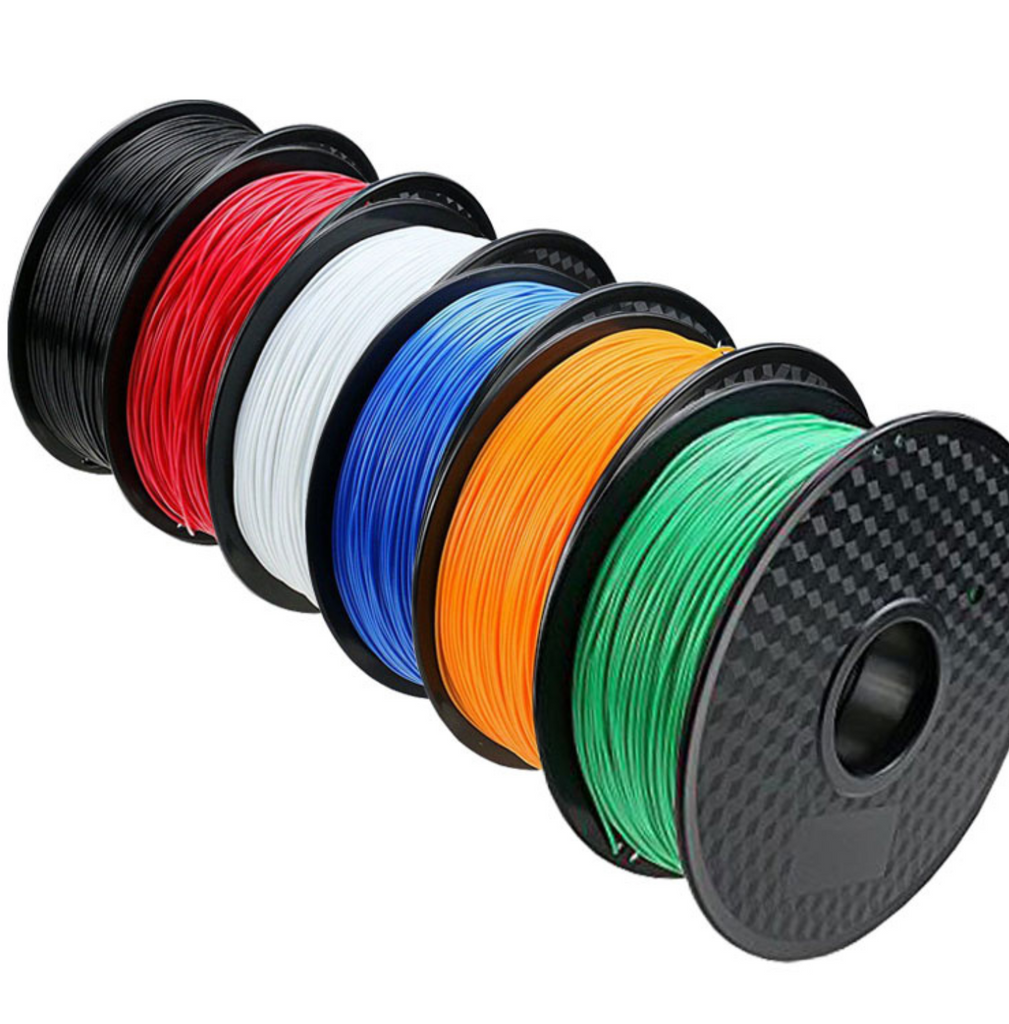
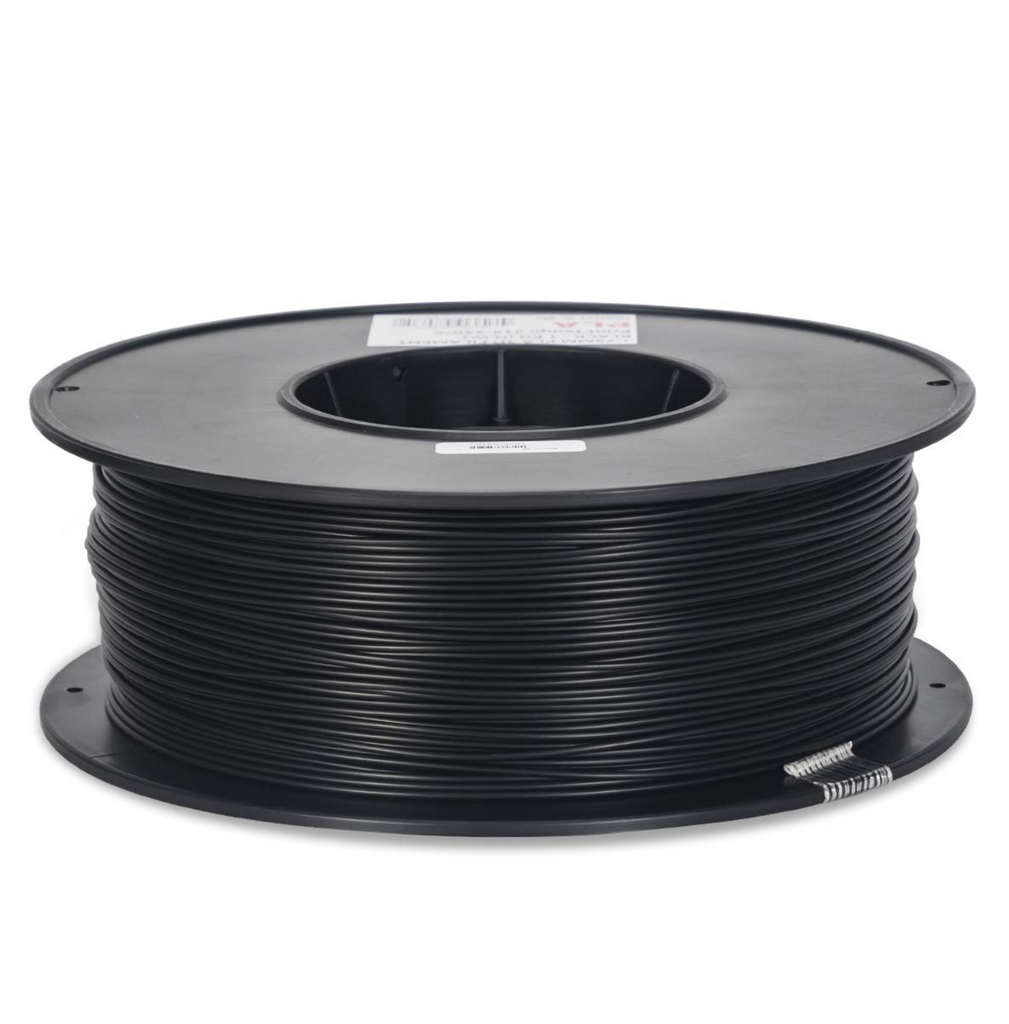
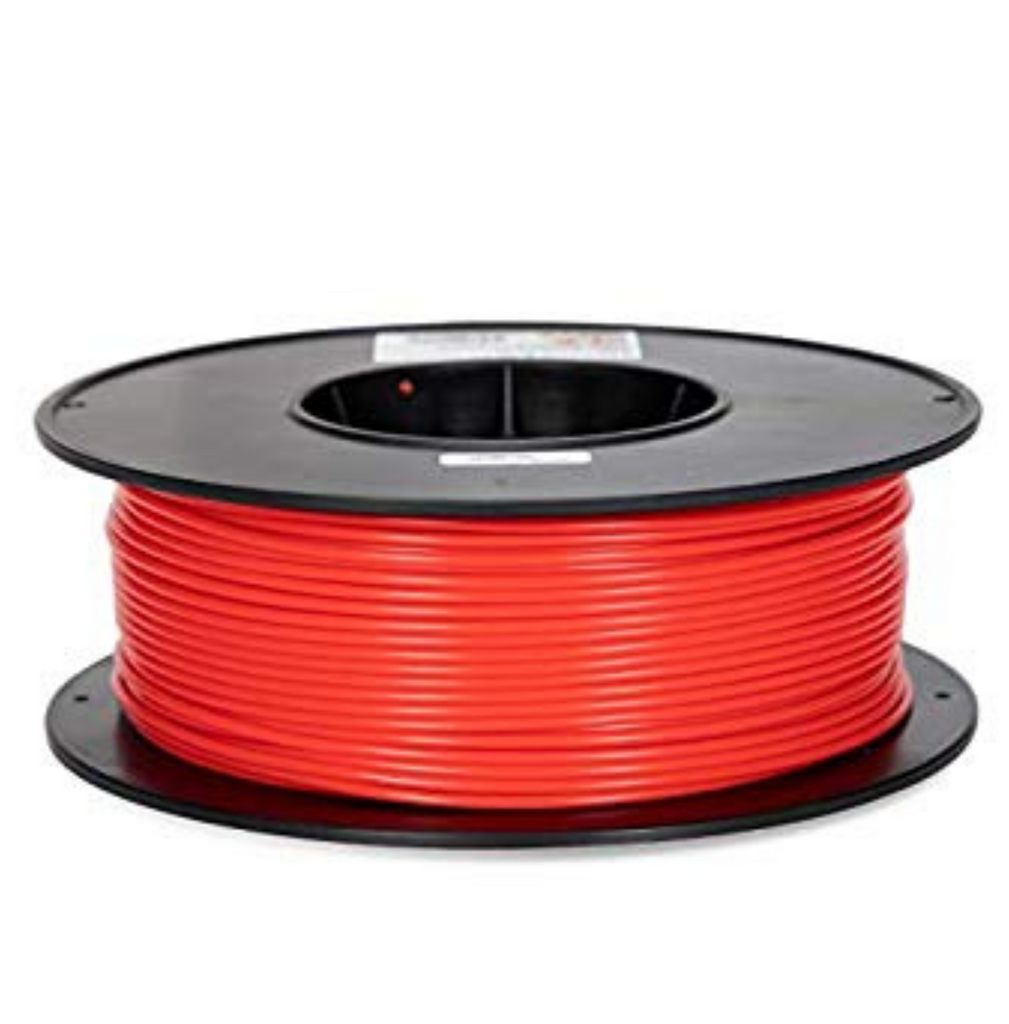
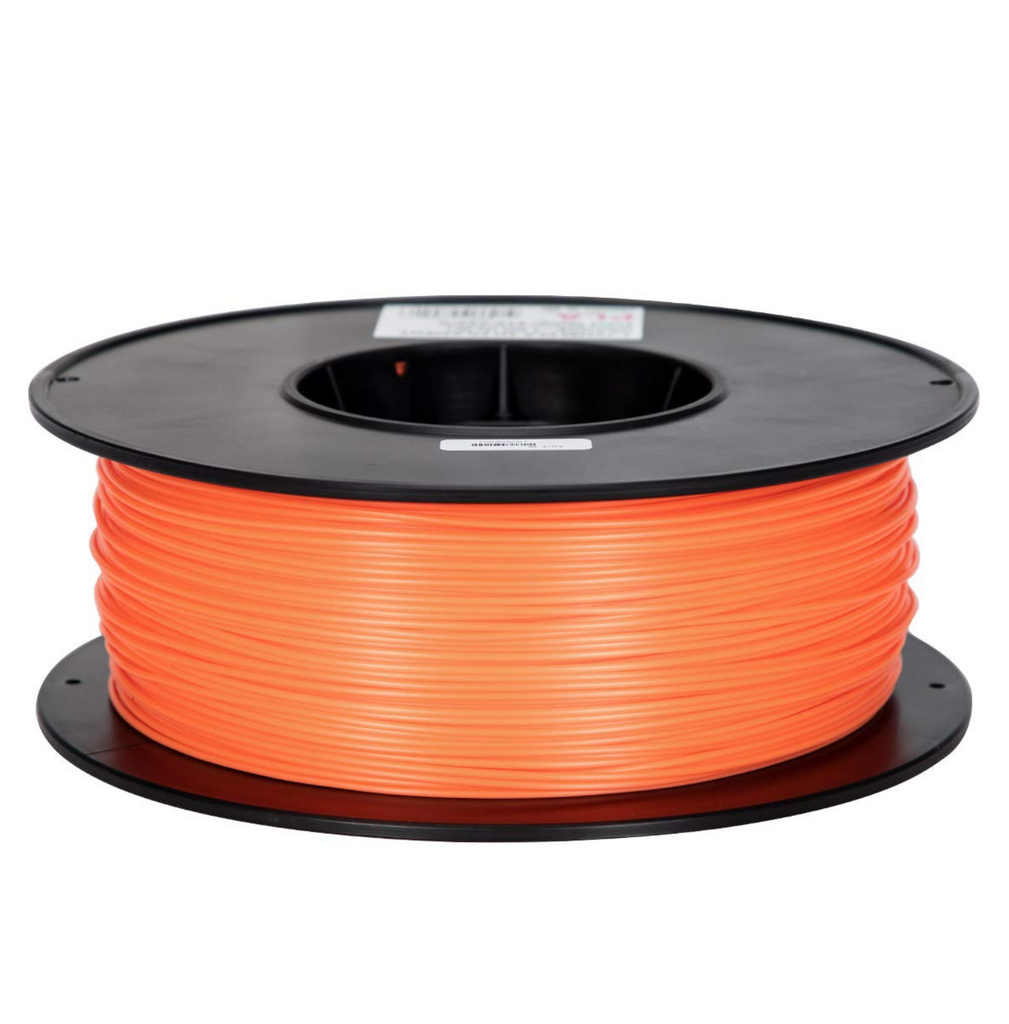
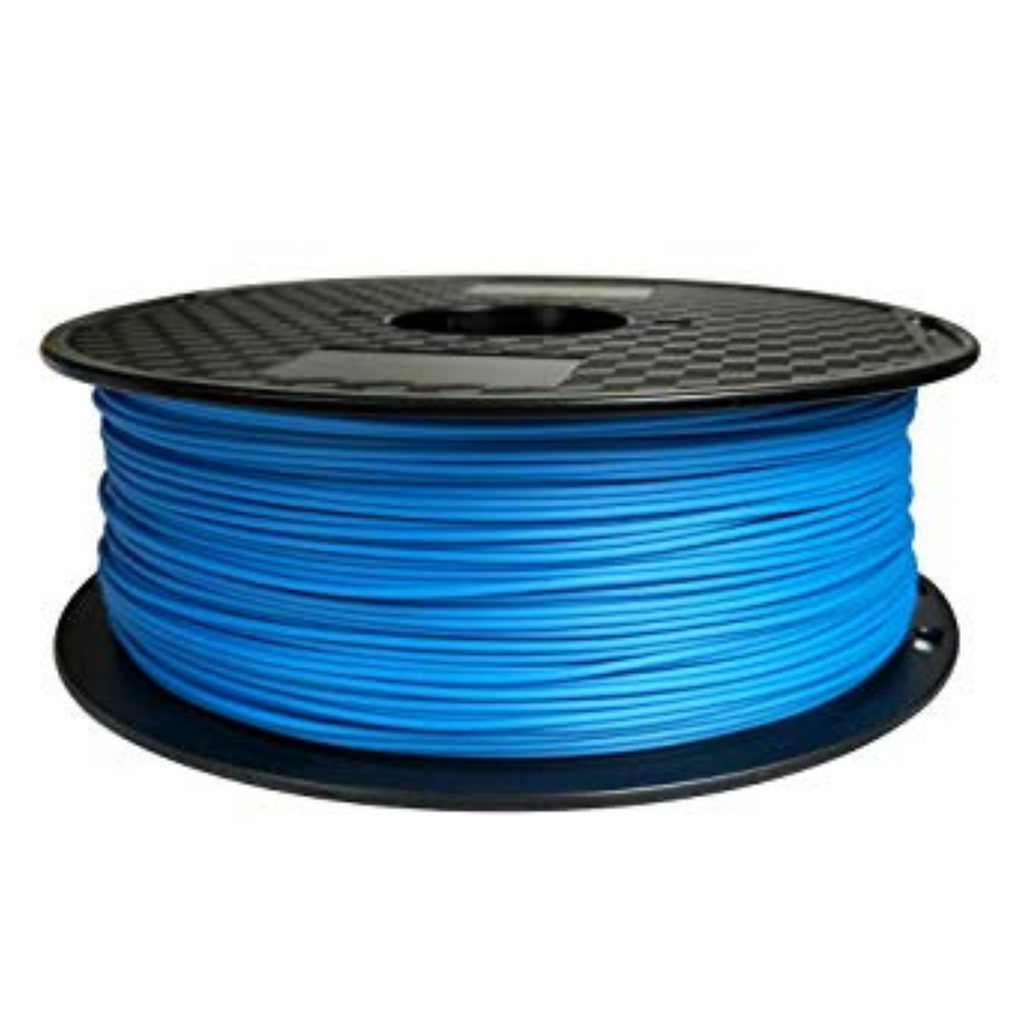
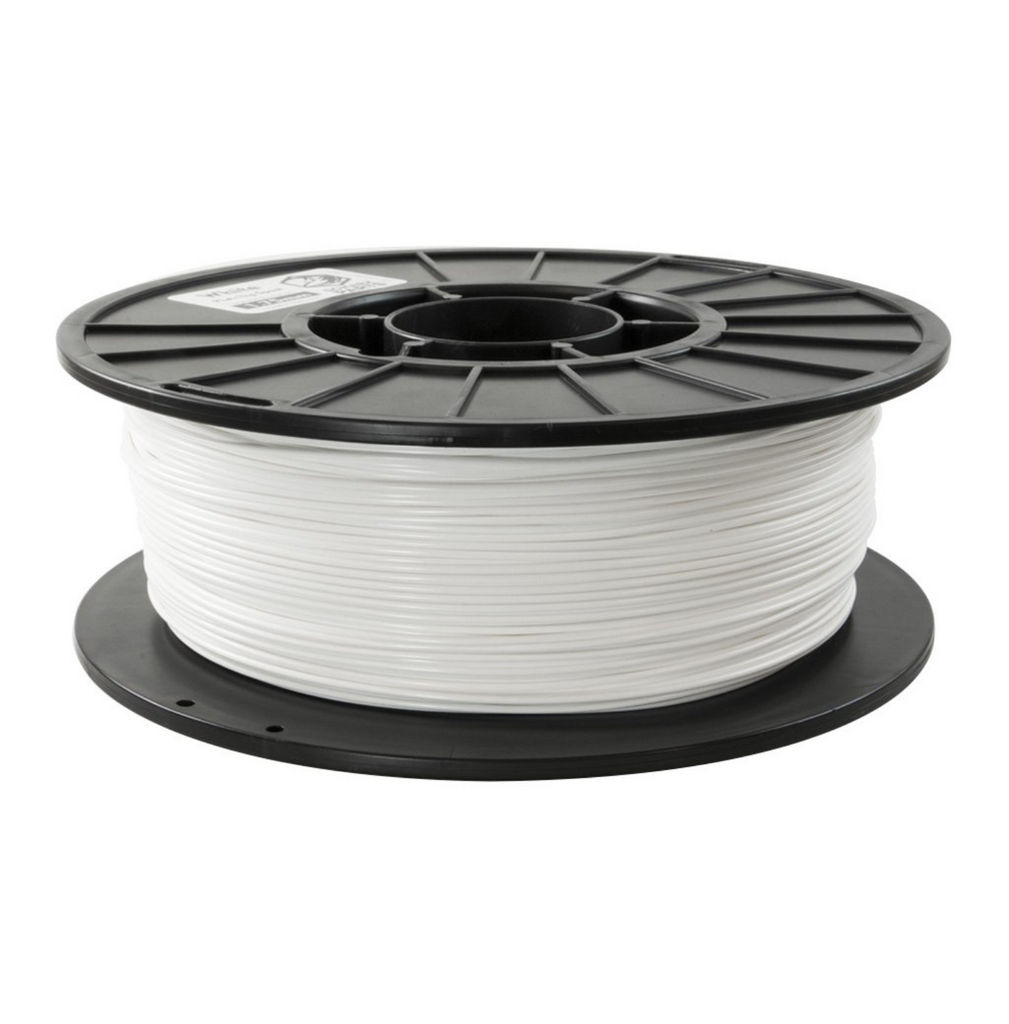
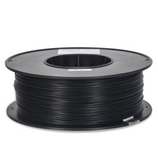
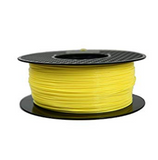
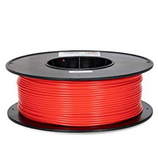
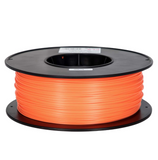
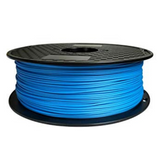
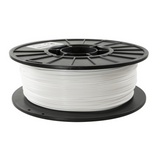
- ABS (Acrylonitrile butadiene styrene) is a popular 3D printing material known for its ease of printing and strength.
- It is suitable for both functional/end-use parts and prototyping.
- ABS is a durable plastic that can withstand higher temperatures.
- Compared to PLA, ABS is less brittle and more ductile, offering better flexibility.
- ABS prints can be post-processed with acetone to achieve a glossy finish.
- When using ABS filament, it is recommended to have a heated printing surface to prevent warping.
- ABS is commonly used for making durable parts that require strength and temperature resistance.
- Our ABS filament is available in a 1.75mm diameter size.
- Choose ABS filament for reliable and strong 3D printed parts and prototypes.
ABS printed parts can be sanded or smoothed using an expert technique with acetone. Advanced users have found that visible layer height on ABS-printed items can be significantly reduced with an acetone vapor bath. This is a process in which the ABS print is exposed to acetone vapor for a period of time. This technique allows users to have smooth and glossy ABS parts. The acetone vapor-treated parts may be strengthened when the printed layers together bind together. ABS has a glass transition zone (the temperature that the plastic starts to soften at) of 105º, and this matters because if you aimed to print something for use in your car, or perhaps a hot-drink coaster you don’t want it to start getting soft and drooping, unless you are aiming for a droopy print.
Due to the nature of the plastic, ABS tends to be very easy to print with from a hot-end point of view – as in it’ll extrude beautifully from most hot-ends without fear of jamming or clogging. However it’s a little more difficult to deal with once it has been extruded, since it loves to shrink as it cools. The shrinkage can cause issues with the part lifting from the bed, or the layers cracking or splitting as the height of the object increases. For this reason it’s an absolute must to print ABS on a heated bed, and preferably within an enclosed-case printer. At the very least, print in a room that’s not too cold and one that is without drafts which might accelerate the cooling and therefore the shrinkage.
ABS can be printed very quickly and is very forgiving of large and/or rapid retraction settings, it resists stringing so very little retraction is usually necessary.
ABS is a rather strong plastic if printed at sufficient temps to get a great layer bond.
ABS has a decent amount of flex to it and it tends to bend rather than snap when put under pressure.
ABS withstands the high heat of in-car objects and suits the ruggedness needed in phone cases.
Objects that might be dropped, put in hot environments or used in a rough manner are perfect uses for ABS. Think of knife handles, car phone mounts, phone cases, toys, wedding rings (mine is black ABS).
In short it’s very good for most objects.